Context
Hey Banco's UX team relied on Moqups — a tool that had long outgrown the team's needs. As the bank scaled, so did the pain points: the platform crashed whenever multiple people opened the same file, there was no version control (deleted work was gone for good), documents had no structure or clear ownership, and sharing ideas meant screenshots and cropped images. The result was a blocked team, slow processes, and constant friction across departments.
The Problem
The workflow between teams was fragile end to end. Requirements came from leadership, UX mapped the flows, stakeholders had to review without direct access to files, changes piled up with no traceability, and the UI team worked in Figma without knowing whether they were using the right version or building a new component. Developers received screens that changed after sign-off. Business architects couldn't find the right document. The design team carried the daily frustration of a tool that held them back instead of enabling them.
My Role
I led the migration project from diagnosis to full adoption. I mapped the real workflow across every stakeholder — leadership, UX, UI, business architects, and development — to pinpoint exactly where the process broke down and what each role needed to work independently.
The Process
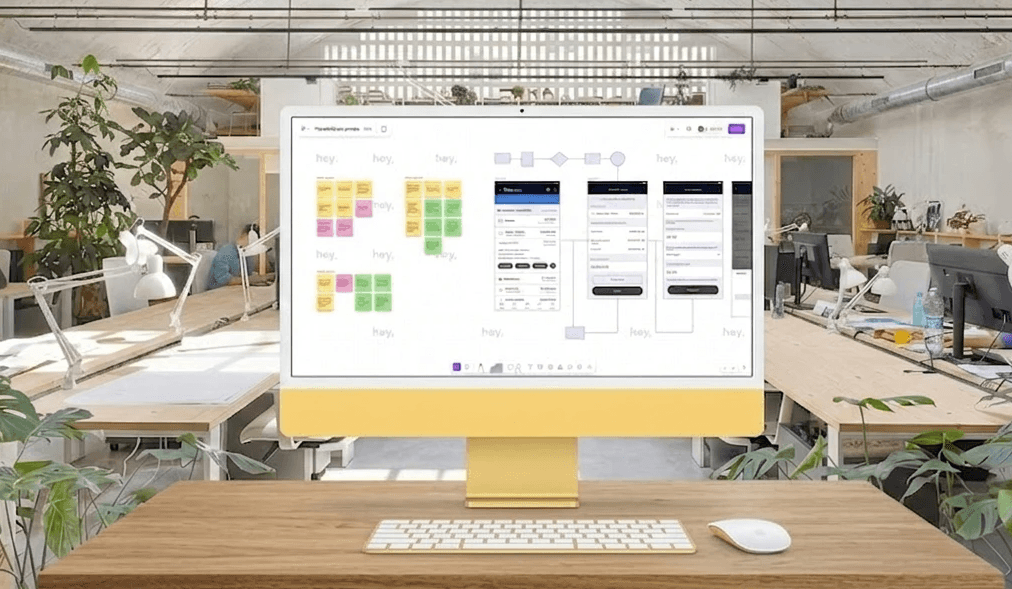
I coordinated a conversation with Figma to identify the best solution for the team's needs. The decision: UX would work in FigJam and UI in Figma, with shared components between both platforms to maintain consistency without duplicating effort.
I designed a new document architecture with two main folders — WIP and FINALS — separating work in progress from development-ready versions, eliminating confusion about which file was current.
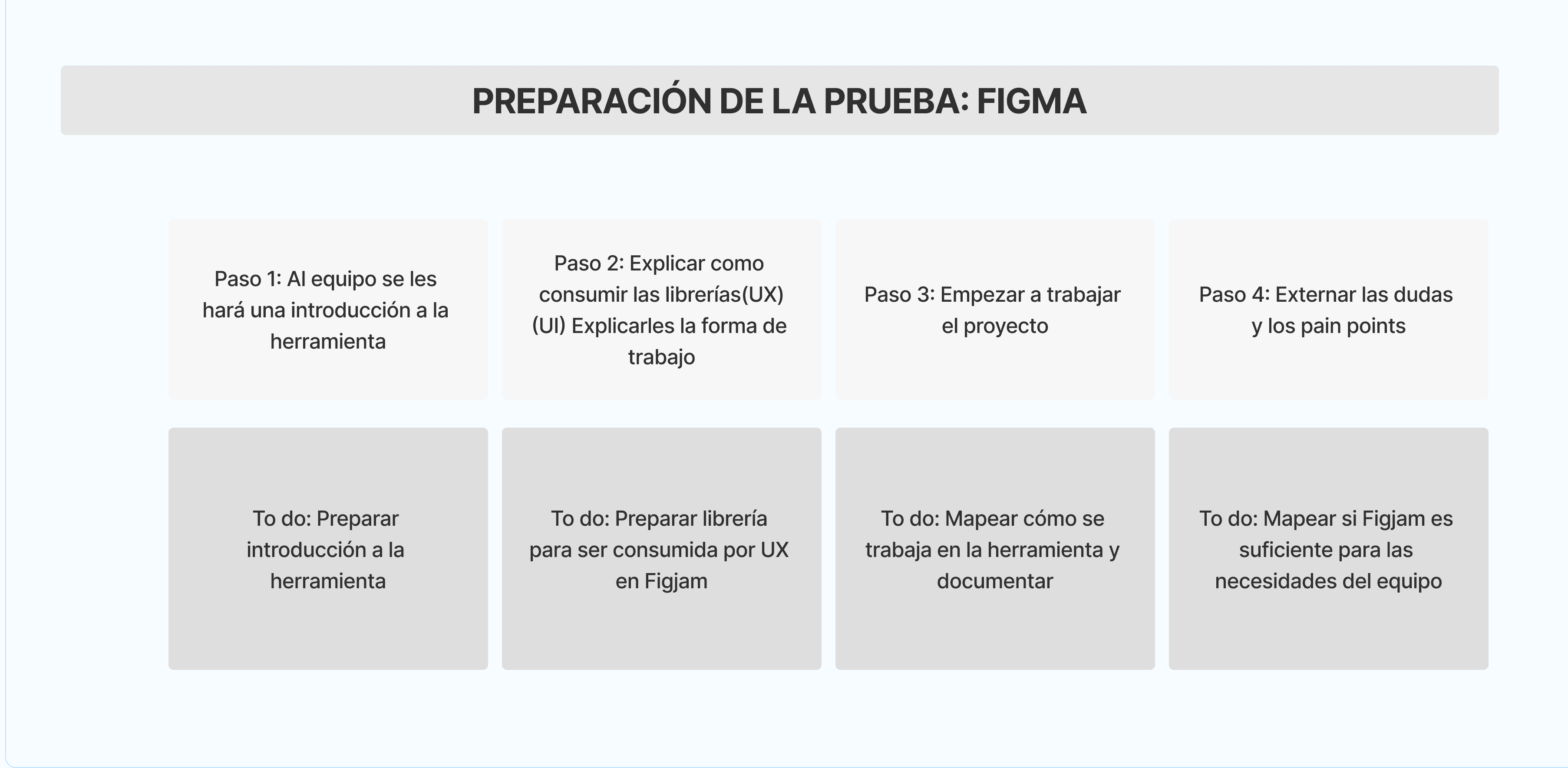
For adoption, I designed a hands-on onboarding dynamic: each team member created their own podcast cover in FigJam, letting them explore the tool in a low-stakes, creative context. I also opened two weeks of calendar availability so anyone on the team could book a Q&A session with me directly.
Results
60 people impacted across design, development, business architecture, and leadership
20 people with a direct change in their daily workflow, 10 of them with a core shift in their day-to-day activities
The UX team reduced time spent on operational tasks and reported a significant drop in day-to-day frustration
Zero crashes during collaborative sessions on shared canvases
Native autosave and version control eliminated permanent work loss
Every project gained a cover, description, and visible owner — giving external teams the autonomy to find information without asking for it
This structure remains the collaborative work standard at Hey Banco